

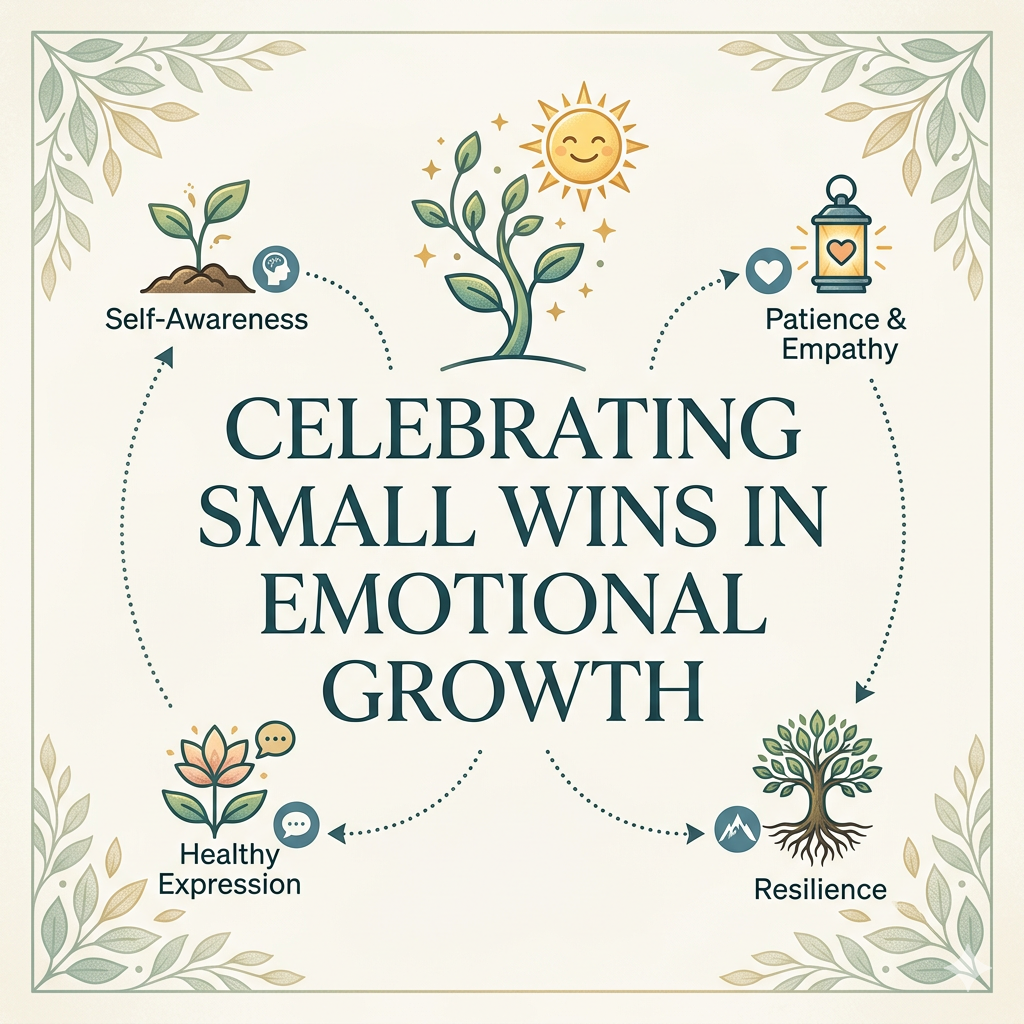
Emotional growth does not usually happen in dramatic, visible leaps. It develops quietly, through repeated practice, small adjustments, and gradual confidence-building. A child who pauses before reacting, who asks for help instead of withdrawing, or who tolerates a minor disappointment without escalating, these are meaningful milestones. Celebrating small wins in emotional Growth Build resilience in everyday situations
At Belief Shaping Therapies, Dubai, we help families recognise that emotional development is built on consistent small wins. When these small moments are acknowledged, children feel capable, understood, and motivated to keep growing.
Understanding Emotional Growth in Children
Emotional growth refers to a child’s developing ability to:
- Recognise and name emotions
- Manage frustration and disappointment
- Regulate reactions
- Express needs appropriately
- Recover after emotional distress
- Build resilience in everyday situations
For many children, especially those who experience developmental or communication differences, emotional regulation can take more time and structured support.
Progress in emotional growth is rarely linear. There may be improvement one week and setbacks the next. This is a natural part of neurological and behavioural development.
Why Small Wins Matter More Than Big Milestones
Parents often wait for significant changes – fewer meltdowns, improved behaviour, smoother routines. While these outcomes are important, they are built on smaller foundational steps.
Small wins may look like:
- Calming down five minutes faster than last time
- Using a coping tool once independently
- Making eye contact during a difficult moment
- Accepting a small change in routine
- Expressing frustration verbally instead of physically
Each of these represents strengthening neural pathways related to emotional regulation.
At Belief Shaping Therapies, Dubai, therapy focuses on identifying these incremental improvements and reinforcing them consistently.
The Brain and Emotional Regulation
Emotional regulation involves multiple areas of the brain, particularly those responsible for impulse control, emotional awareness, and executive functioning.
When a child reacts strongly to stress, it is often because their regulation system is still developing. Expecting instant emotional control without building foundational skills can increase frustration for both child and parent.
Small repeated successes help the brain build stronger regulation pathways over time.
How Therapy Encourages Small Emotional Wins
At Belief Shaping Therapies, Dubai, therapy sessions are structured to create achievable goals.
- Building Emotional Awareness
Children first learn to recognise feelings in themselves. This may involve visual emotion charts, role-play, storytelling, or structured discussion.
2. Practising Coping Strategies
Therapists introduce practical tools such as:
- Deep breathing techniques
- Sensory calming strategies
- Structured break routines
- Visual supports
Success is measured by usage, not perfection.
3. Strengthening Communication
When children can express “I’m frustrated” or “I need help,” emotional escalation often decreases. Speech therapy plays a critical role in supporting this growth.
4. Reinforcing Progress
Acknowledging effort is powerful. Children are more likely to repeat behaviours that are noticed positively.
Shifting the Parent Perspective
One of the most transformative shifts for families is moving from outcome-focused thinking to progress-focused thinking.
Instead of asking:
“Why is this still happening?”
A more productive question becomes:
“Is this slightly better than before?”
This mindset reduces pressure and builds collaboration between parent and child.
Practical Ways to Celebrate Small Wins at Home
Families can reinforce emotional growth through simple strategies:
- Verbally acknowledge effort
- Reflect positive behaviour immediately
- Avoid comparing siblings
- Use consistent language around coping skills
- Model calm responses
Consistency builds emotional security.
The Long-Term Impact of Small Emotional Wins
When children repeatedly experience manageable emotional success, they build:
- Stronger self-esteem
- Increased resilience
- Better peer relationships
- Improved classroom participation
- Greater independence
Over time, these small moments accumulate into significant developmental progress.
At Belief Shaping Therapies, Dubai, we believe emotional growth is not about eliminating difficult emotions. It is about equipping children with tools to manage them safely and confidently.
If you would like guidance in supporting your child’s emotional development, our team at Belief Shaping Therapies, Dubai offers personalised, structured therapy tailored to your child’s needs.