Belief Shaping Therapies

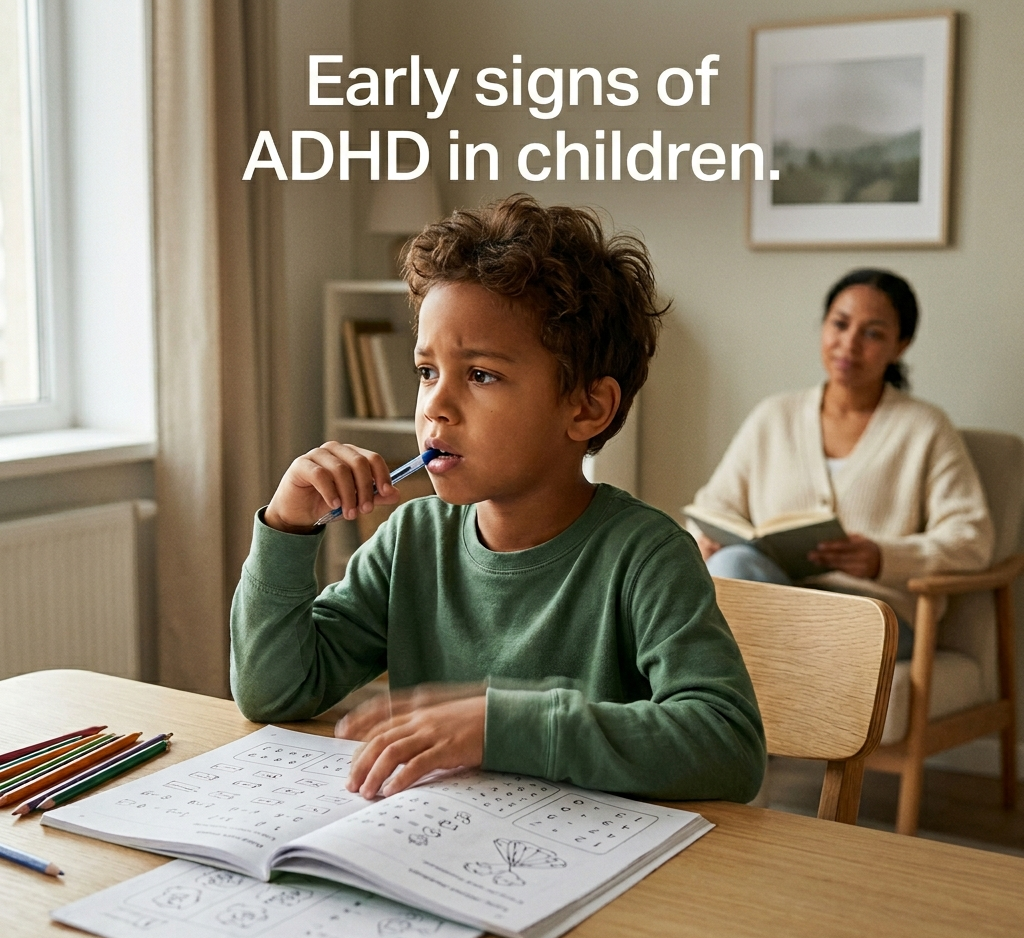
What are the early signs of ADHD in children?

Early signs of ADHD in children

Many parents today wonder whether their child’s constant movement, impulsive behavior, or inability to sit still is “normal.” “What are the early signs of ADHD in children?” has become one of the most searched parenting questions globally. While all children are active, consistent attention and behavior challenges may require professional support. Understanding ADHD Beyond Hyperactivity … Read more

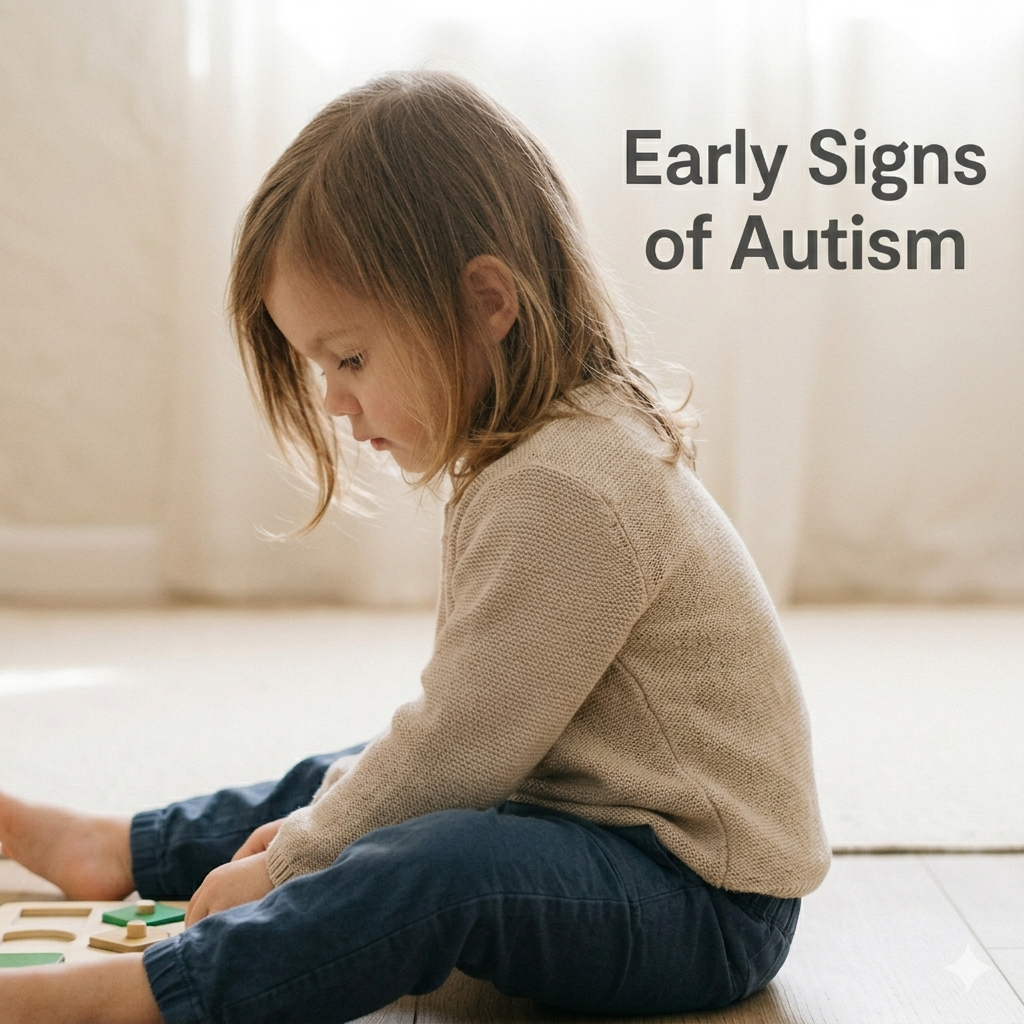
Early Signs of Autism

Early signs of Autism

Parents today are more aware than ever, yet one question continues to create confusion and anxiety: “Should I wait or act when I notice early signs of autism or developmental delay?” Many families are advised to “wait and watch,” but this approach can sometimes delay the support a child truly needs. Recognizing Early Signs That … Read more

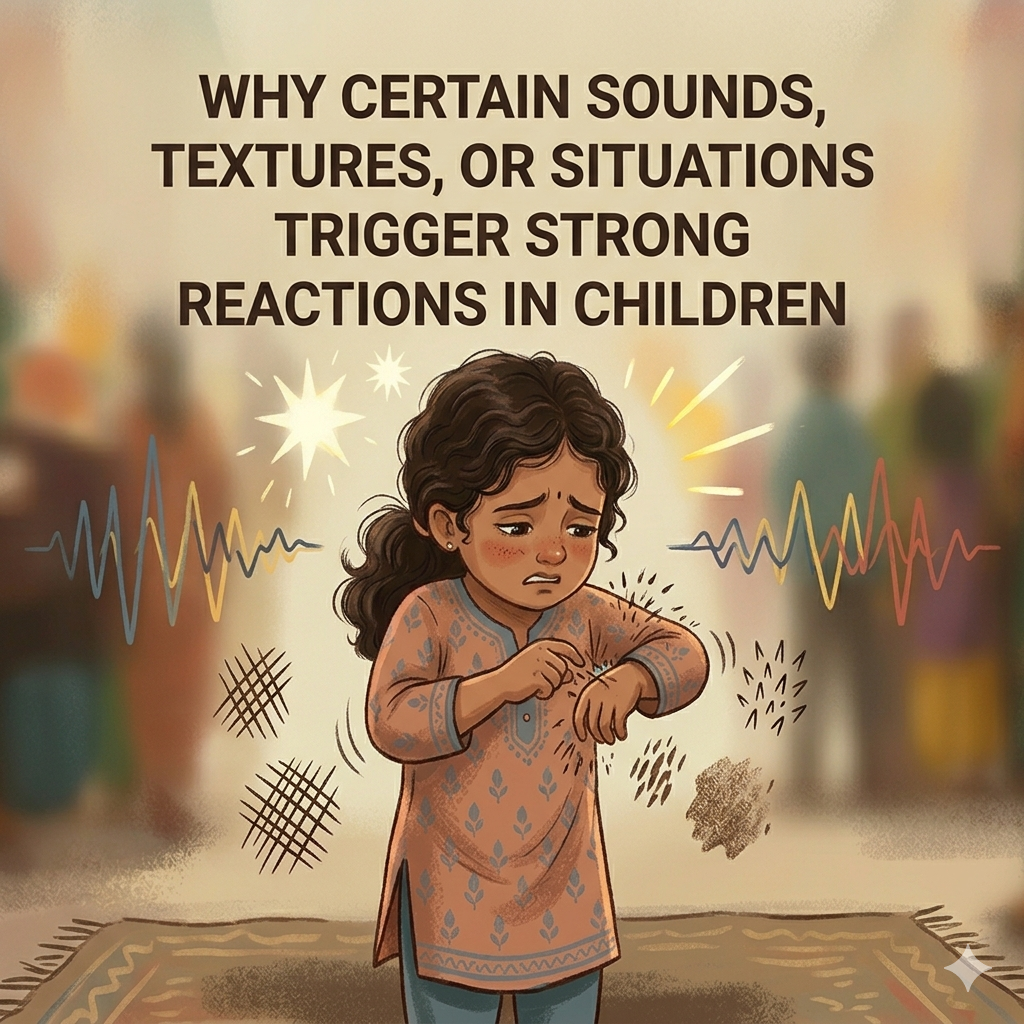
Sensory Sensitivity in Children

Why certain sounds, textures, or situations trigger strong reactions in children is something many parents notice but often struggle to fully understand. A child may cover their ears at everyday sounds, refuse certain clothing, avoid crowded places, or react intensely to situations that seem manageable to others. At Belief Shaping Therapies, Dubai, we often help … Read more

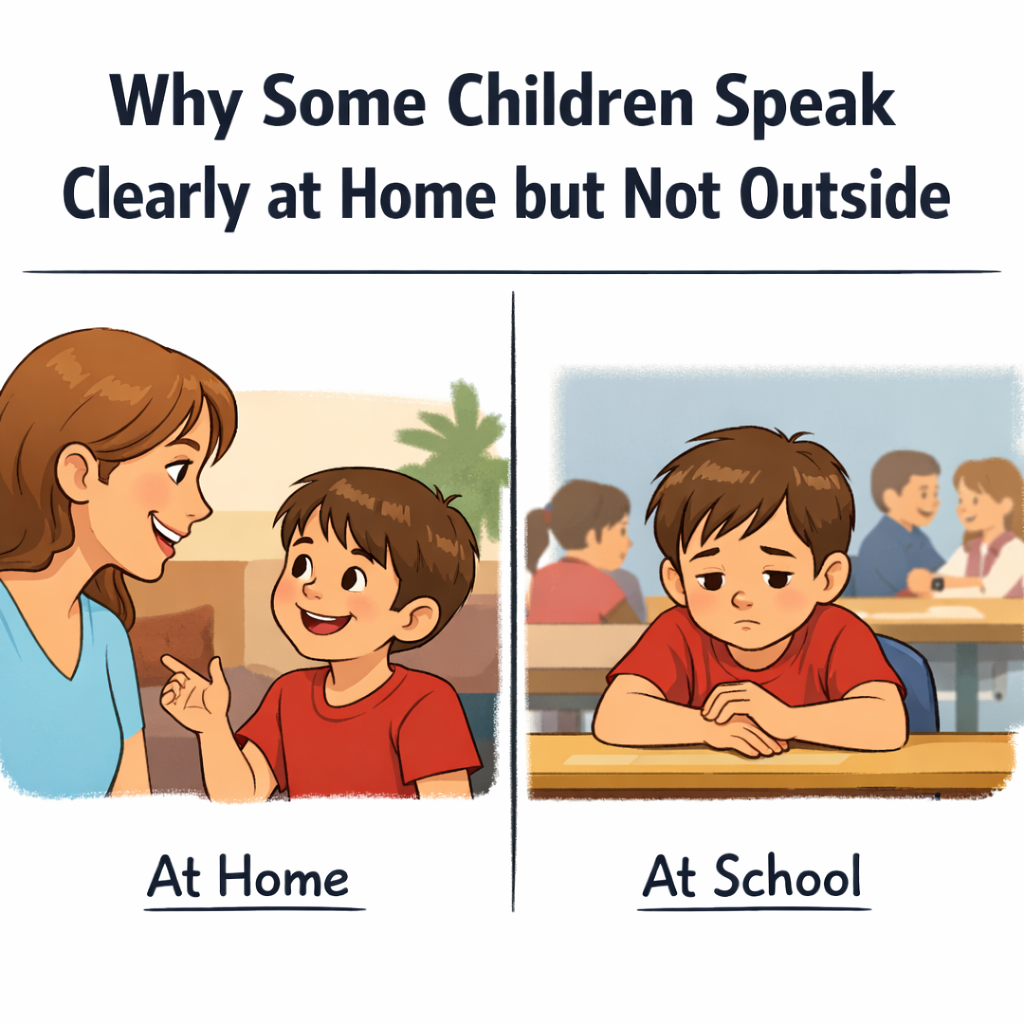
Why Your Child Talks at Home but Not Outside

Child Speaks at Home but Not Outside

Why Children Speak at Home but Not Outside is a concern many parents notice as their child grows. A child may communicate comfortably with family but become quiet or hesitant in school or social settings. This difference is often linked to confidence, familiarity, and emotional comfort rather than ability. Understanding the reasons behind this can … Read more

Environmental Factors and Children’s Mental Health

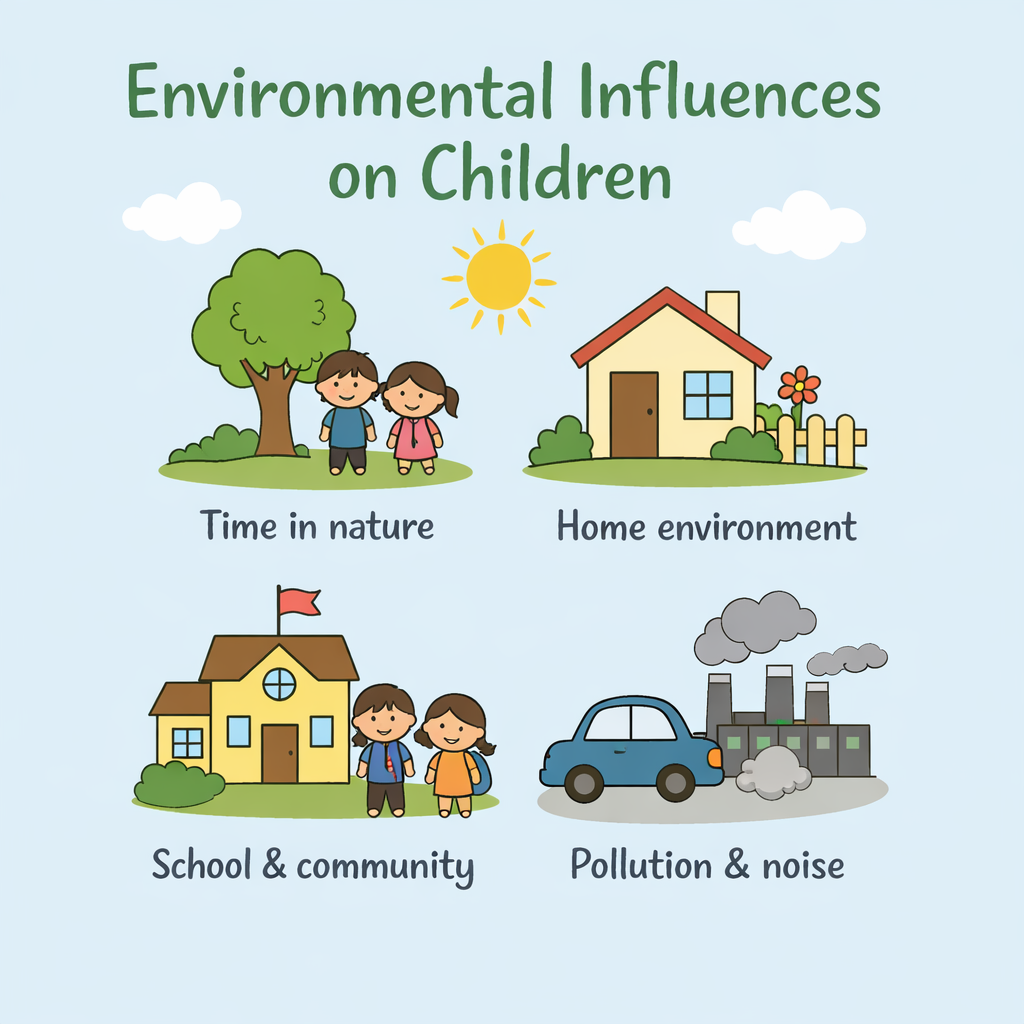
Environmental Influences on Children’s Mental Health

Children’s emotional development is shaped not only by family and school environments but also by the broader world around them. Factors such as community safety, access to outdoor spaces, and exposure to environmental concerns can influence how children feel and respond to everyday situations. At Belief Shaping Therapies, Dubai, we often work with families who … Read more

Celebrating Small Wins in Emotional Growth

Emotional Growth in Children | Belief Shaping Therapies Dubai

Emotional growth does not usually happen in dramatic, visible leaps. It develops quietly, through repeated practice, small adjustments, and gradual confidence-building. A child who pauses before reacting, who asks for help instead of withdrawing, or who tolerates a minor disappointment without escalating, these are meaningful milestones. Celebrating small wins in emotional Growth Build resilience in … Read more

OT Assessments That Drive Real Progress

Introduction: When a child struggles to zip a jacket, sit still during class, or play without frustration, it’s rarely “just a phase.” Behind those everyday challenges might be subtle sensory, motor, or cognitive gaps that deserve more than generic reassurance. At Belief Shaping Therapies, Dubai, we don’t just test, we decode. Our assessments act as … Read more

Sensory Seekers and Sensory Avoiders

Every child experiences the world through their senses—but for some, the need for sensory input is far greater. These children, often called Sensory Seekers, crave movement, touch, sound, and other sensations to feel regulated and focused. Supporting them with targeted sensory activities can help them stay calm, engaged, and ready to learn. At Belief Shaping … Read more

How does Multisensory Environment help Neurodiverse Children?

A neurodiverse child is a child whose brain works differently from the typical way most brains work. This could mean they think, learn, or behave in ways that are unique to them. Being neurodiverse means that the child’s brain works in a way that’s different from others, but it doesn’t mean anything is wrong. In … Read more

Overuse of Gadgets and Autism

The overuse of gadgets, such as smartphones, tablets, and other digital devices, can have both positive and negative consequences on children with autism spectrum disorder (ASD). While these gadgets can provide valuable tools for communication and learning, excessive screen time can have various adverse effects, particularly for children with autism, who may be more sensitive … Read more