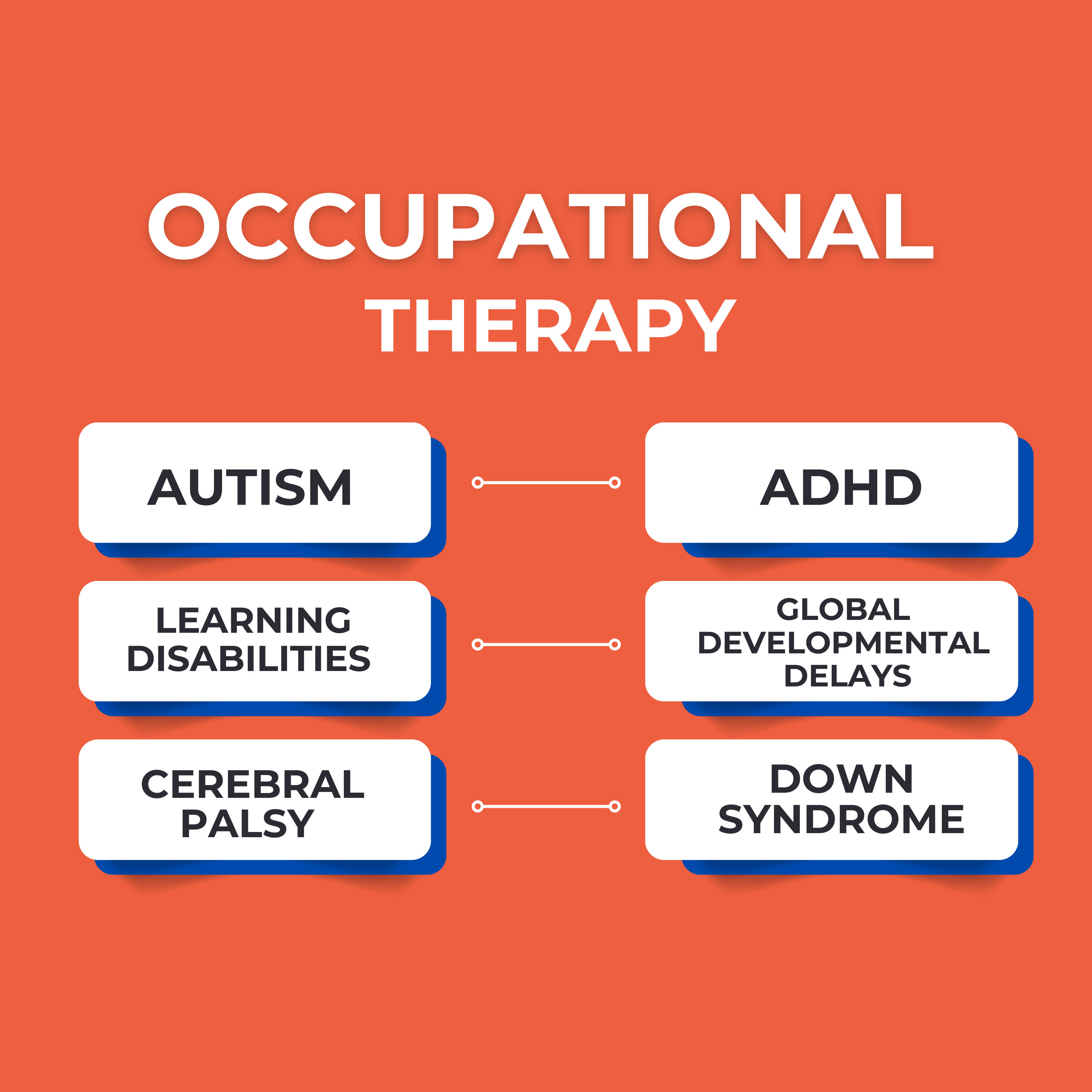
Every child experiences the world through their senses—but for some, the need for sensory input is far greater. These children, often called Sensory Seekers, crave movement, touch, sound, and other sensations to feel regulated and focused. Supporting them with targeted sensory activities can help them stay calm, engaged, and ready to learn. At Belief Shaping Therapies, Dubai, we understand the unique needs of sensory seekers. Our team of experts uses a holistic, child-centered approach to provide Occupational therapy in Dubai that blends in-centre expertise with at-home strategies. This blog will explore effective sensory activities you can try today—whether at home or as part of your child’s therapy plan. What Is a Sensory Seeker? A Sensory seeker is a child who actively looks for intense sensory experiences—spinning, crashing, touching everything, making loud sounds, or chewing on objects. While these behaviours are their way of self-regulating, without guidance, they can become overwhelming or disruptive. That’s where Sensory integration therapy in Dubai comes in—helping children channel their sensory needs safely and meaningfully. Engaging the Visual Sense: A World of Exploration Children who are visually sensory-seeking often crave bright colors, patterns, movement, and visual complexity. Providing engaging visual input helps them improve attention, organization, and tracking skills. Here are stimulating visual activities tailored for these needs: Visual Activities for Sensory Seekers: ● “I Spy” and seek-and-find games – boost visual scanning and attention ● Kaleidoscopes, cellophane, magnifying glasses, binoculars – engage visual curiosity ● Sorting by color and size – supports categorization and organization ● Pinwheels, spinning tops, fidget spinners – provide constant visual motion ● Puzzles, mazes, dot-to-dots – encourage visual tracking and problem-solving ● Colorful crafts like coloring and beading – foster creativity and coordination ● Visual schedules and routines – aid in comprehension and planning ● Brightly colored clothing or toys – attract visual focus ● Mirror play – helps with self-awareness and expression These activities help children gain better visual discrimination, improve concentration, and offer a fun, structured outlet for their sensory needs. Tuning into Sound: Auditory Adventures for Seekers Auditory seekers may be constantly humming, making loud sounds, or drawn to music and rhythmic noise. These kids find comfort and stimulation in sound-based experiences. Auditory Activities for Sensory Seekers: These experiences support auditory processing, language development, and emotional connection through sound. The Joy of Touch: Tactile Exploration for Sensory Learners Tactile seekers love to touch everything—textures, temperatures, or objects with an interesting feel. They may dig in dirt, rub fabrics, or enjoy messy play. Tactile Activities for Sensory Seekers: ● Sensory bins with kinetic sand, rice, or beans – encourage exploration ● Messy play like finger painting or play dough – fosters creativity ● Gardening – introduces varied natural textures ● Baking and cooking – allows squishing, kneading, and mixing ● Tactile books – engage through textures ● Baths with sponges, loofahs, or textured toys – turn hygiene into sensory fun ● Seats with varied fabrics – offer passive tactile input These activities boost texture recognition, fine motor development, and tactile tolerance. Exploring Smell and Taste: Olfactory and Gustatory Adventures Some children seek out strong smells or intense flavors—they may sniff food, lick objects, or chew frequently. Olfactory and Gustatory Activities: ● Scented play dough – combines touch and smell ● Scratch and sniff stickers or scented markers – fun for identification ● “Guess the smell” games – enhance olfactory discrimination ● Blindfolded taste tests – boost oral sensory curiosity ● Chewelry (chewable jewelry) – provides safe oral input ● Sucking on ice, crunchy snacks, or chewy items – offers proprioceptive oral input These promote sensory discrimination, oral-motor awareness, and safe exploration. The Thrill of Movement: Vestibular and Proprioceptive Input Movements seekers often spin, crash, jump, or hang upside-down. They need input that helps them understand their body in space and feel regulated. Movement and Deep Pressure Activities: ● Playground play – swinging, sliding, seesaws, merry-go-rounds ● Bouncing on an exercise ball – energizes and focuses ● Cartwheels, somersaults, and roughhousing – develop balance ● Riding a bike or scooter – offers rhythmic movement ● Trampoline jumping – releases energy and improves coordination ● Obstacle courses – combine jumping, crawling, and climbing ● Crashing into cushions or rolling in blankets – offers calming deep pressure ● Pillow humping games and bear hugs – promote bonding and proprioceptive input ● Yoga poses and animal walks – build strength and body awareness ● “Heavy work” like carrying groceries or pushing laundry baskets – helps with grounding These activities enhance balance, body control, calming, and spatial awareness. Finding Inner Awareness: Interoceptive Exploration Interoceptive seekers are often drawn to activities that help them connect with internal body sensations, such as breathing or muscle movement. Activities for Interoceptive Input: ● Breathing exercises using visuals like bubbles or pinwheels – build calm ● Progressive muscle relaxation – teaches tension release and awareness These foster self-regulation, body awareness, and emotional control. Our Role at Belief Shaping Therapies, Dubai At Belief Shaping Therapies, we design individualized therapy plans that incorporate: Let’s Shape Sensory Success, Together Sensory seekers aren’t “too much”—they simply experience the world more intensely. With the right support and strategies, their unique energy can become strength. If you’re looking for Occupational therapy in Dubai for Sensory seekers, or searching for a Sensory therapy Centre near you, our team at Belief Shaping Therapies, Dubai is here to help. Reach out today to schedule a consultation or learn more about our customized sensory support plans. Your child’s sensory world is full of potential—let’s shape it with purpose.