

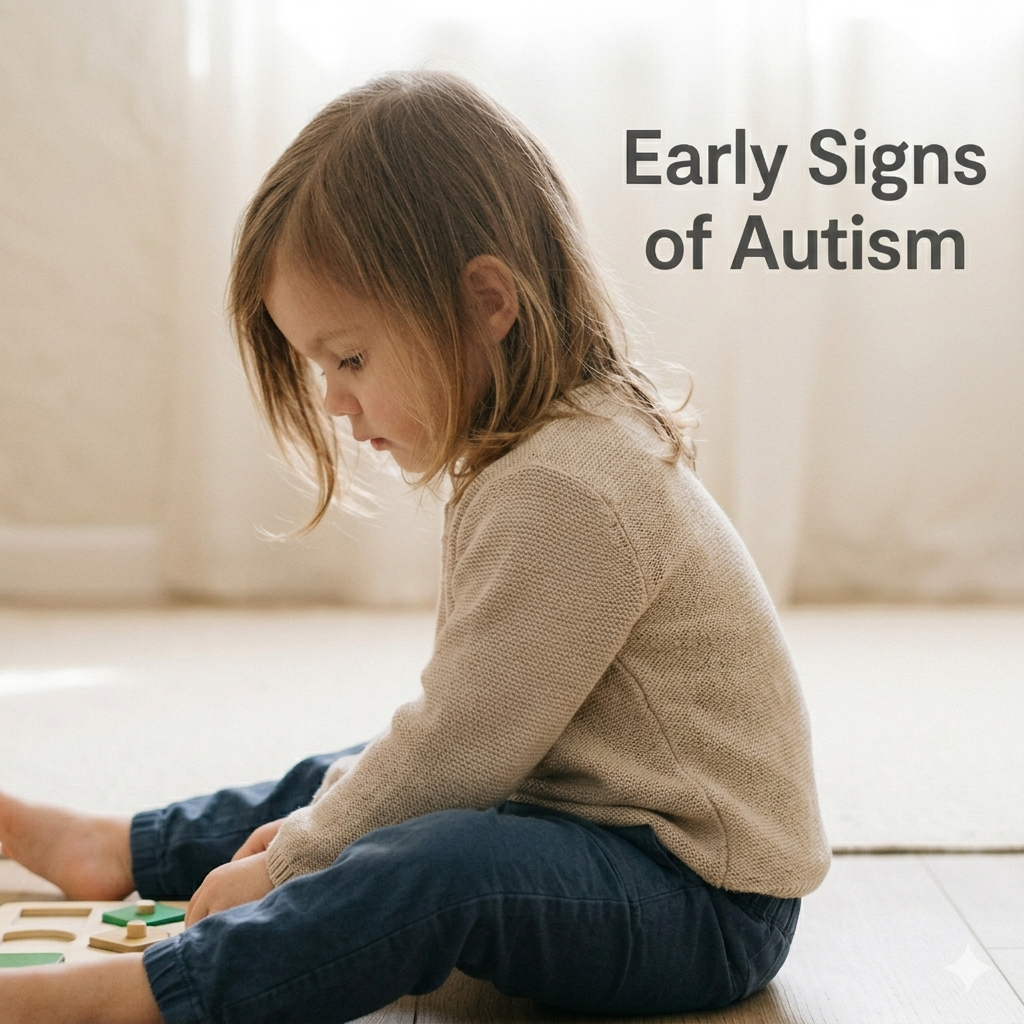
Parents today are more aware than ever, yet one question continues to create confusion and anxiety: “Should I wait or act when I notice early signs of autism or developmental delay?” Many families are advised to “wait and watch,” but this approach can sometimes delay the support a child truly needs.
Every child develops at their own pace, and slight differences in development are often completely normal. However, when developmental milestones such as communication, social interaction, play, or behaviour are consistently delayed or noticeably different, it is important to seek professional guidance rather than waiting for the child to “catch up.” Early identification provides children with the opportunity to receive the right support during the most important years of brain development.
Why Early Developmental Milestones Matter
The first few years of life are a period of rapid brain growth and development. During this time, children learn essential skills related to communication, social interaction, movement, emotional regulation, and everyday functioning. Monitoring developmental milestones helps parents identify whether a child is progressing as expected or may benefit from additional support.
Strong early developmental skills help children:
- Communicate their needs effectively
- Build meaningful relationships
- Learn through play and exploration
- Develop language and social skills
- Participate confidently in preschool and school
- Build independence in daily activities
- Regulate emotions and behaviour
- Improve attention and learning readiness
- Develop problem-solving and adaptive skills
- Gain confidence while interacting with others
When developmental differences are identified early, children have greater opportunities to strengthen these foundational skills through timely intervention.
Recognizing Early Signs That Should Not Be Ignored
Early signs of autism or developmental challenges are often subtle and can vary from child to child. Some children may show delays in speech, while others may struggle with social interaction or repetitive behaviours.
Common signs include:
- Limited eye contact
- Delayed speech or lack of communication
- Not responding to their name consistently
- Repetitive movements or behaviours
- Difficulty engaging with others
- Limited use of gestures such as pointing or waving
- Reduced interest in playing with other children
- Difficulty sharing attention or interests with parents
- Strong preference for routines and distress during unexpected changes
- Repetitive play with toys, such as lining up or spinning objects
- Unusual reactions to sounds, lights, textures, or other sensory experiences
These signs may appear mild at first, which is why they are often overlooked. However, early identification is crucial because the brain is most adaptable in the early years.
It is important to remember that no single sign confirms Autism Spectrum Disorder (ASD). A comprehensive developmental assessment by qualified professionals is necessary to understand your child’s strengths, challenges, and individual developmental needs.
At Belief Shaping Therapies, we have worked with thousands of families who initially felt unsure about whether to seek help.
Understanding Autism Beyond Common Misconceptions
Autism Spectrum Disorder (ASD) is a neurodevelopmental condition that affects communication, social interaction, behaviour, and sensory processing. Every autistic child is unique, and the way autism presents can vary significantly from one child to another.
Some children may have strong language skills but experience social communication challenges, while others may have delayed speech, sensory sensitivities, or repetitive behaviours. Autism is called a “spectrum” because every child’s strengths, abilities, and support needs are different.
Why Early Identification Is So Important
Research consistently shows that the brain has its greatest capacity for learning and adaptation during early childhood. Identifying developmental concerns early allows therapists to build communication, social, behavioural, and functional skills before challenges become more significant.
Early support can help children:
- Improve communication and language development
- Develop stronger social interaction skills
- Increase independence in daily routines
- Enhance learning readiness
- Improve emotional regulation
- Reduce frustration related to communication difficulties
- Build confidence and participation in everyday activities
Seeking an assessment early does not mean that a child will automatically receive an autism diagnosis. Instead, it provides valuable information that helps families make informed decisions about the support their child may benefit from.
Why Early Intervention Makes a Lasting Difference
Early intervention is one of the most important factors in improving outcomes for children with autism, ADHD, and other developmental challenges. The earlier therapy begins, the more effectively a child can develop communication, social, and functional skills.
Early intervention focuses on strengthening developmental foundations while the brain is highly adaptable. Therapy is designed to help children learn essential skills through structured, engaging, and individualized activities that match their unique developmental profile.
At Belief Shaping Therapies, we follow a multidisciplinary approach that includes Occupational Therapy, Speech Therapy, and ABA Therapy. With over 22 years of experience and more than 60,000 therapy sessions conducted, our team focuses on structured, goal-oriented programs tailored to each individual.
Therapy helps children:
- Improve communication and language skills
- Develop social interaction abilities
- Build independence in daily activities
- Reduce challenging behaviours
- Gain confidence in different environments
- Improve attention, learning, and play skills
- Develop emotional regulation and coping strategies
- Strengthen sensory processing and adaptive behaviours
- Increase participation in home, school, and community environments
Every intervention plan is based on detailed developmental assessments and is personalized according to each child’s strengths, needs, and long-term developmental goals.
How Different Therapies Support Child Development
A multidisciplinary approach allows therapists to address different aspects of a child’s development simultaneously.
Occupational Therapy
Occupational Therapy helps children improve sensory processing, attention, fine motor skills, emotional regulation, independence, and participation in daily activities.
Speech Therapy
Speech Therapy focuses on improving expressive language, receptive language, communication skills, social interaction, and overall language development.
ABA Therapy
Applied Behaviour Analysis (ABA) Therapy uses evidence-based strategies to strengthen communication, learning, social skills, adaptive behaviour, and positive behaviour management in meaningful everyday situations.
Simple Ways Parents Can Support Development at Home
We also work closely with families, guiding them on how to support their child outside therapy sessions.
Parents can encourage development by:
- Spending quality face-to-face time with their child
- Reading books together daily
- Encouraging interactive play
- Limiting excessive screen time
- Using simple language during conversations
- Responding positively to all communication attempts
- Creating predictable daily routines
- Encouraging turn-taking games and shared activities
- Celebrating small developmental achievements
- Providing opportunities for social interaction in comfortable environments
Parents play an essential role in reinforcing the skills children learn during therapy. Consistent support at home often accelerates progress and builds confidence.
When Should Parents Seek Professional Help?
Consider consulting a developmental specialist if your child:
- Shows persistent delays in speech or communication
- Rarely responds to their name
- Avoids eye contact consistently
- Shows repetitive behaviours that interfere with daily activities
- Has difficulty interacting with family members or peers
- Experiences significant sensory sensitivities
- Misses important developmental milestones
- Displays behaviours that concern you, even if they seem mild
An early developmental assessment provides clarity, helps identify your child’s individual strengths and challenges, and allows appropriate support to begin as early as possible.
Supporting Your Child’s Journey
Choosing to act early does not mean labelling your child—it means giving them the best possible opportunity to grow and succeed.
If you notice signs that concern you, trust your instincts. Seeking guidance early can open doors to progress, independence, and a better quality of life for your child.
At Belief Shaping Therapies, our experienced multidisciplinary team provides comprehensive developmental assessments and evidence-based intervention programs tailored to each child’s unique needs. Through Occupational Therapy, Speech Therapy, ABA Therapy, and family-centred support, we help children build communication, independence, confidence, and lifelong developmental skills.
Every child has the potential to grow, learn, and thrive. With early intervention, individualized therapy, and active family involvement, children can make remarkable progress in communication, social interaction, emotional development, and independence. Taking the first step today can make a lasting difference in your child’s future.